


Your Liver Could Heal
Your liver’s job is to filter filters everything that goes into your body, including toxins. And what is toxic to your cells? Alcohol. Heavy drinking — which means at least 15 drinks for men, and eight or more for women, per week — can damage the organ and lead to fatty liver, cirrhosis, and other health issues. But here’s the good news: your liver can actually repair itself and even regenerate. One very important reason to drink less or quit altogether.

Your Heart Gets Healthier
The idea that a regular glass of red wine is good for your heart is a bit misleading, as there is actually no cause-and-effect link between wine and better heart health — only a possible association between wine and a lower risk of heart disease (which may be because red wine drinkers simply live a healthier lifestyle in general). One thing we know for sure: cutting back or quitting alcohol may lower your blood pressure, levels of fat called triglycerides, and chances of heart failure.

You Might Lose Weight
A bottle of regular beer has about 150 calories. A glass of wine? About 120. In addition to consuming those mostly empty calories, alcohol increases your appetite. It also makes you more impulsive, so you’re more likely to succumb to the fries and other temptations on the menu. So when you stay away from alcohol, the pounds may melt away.

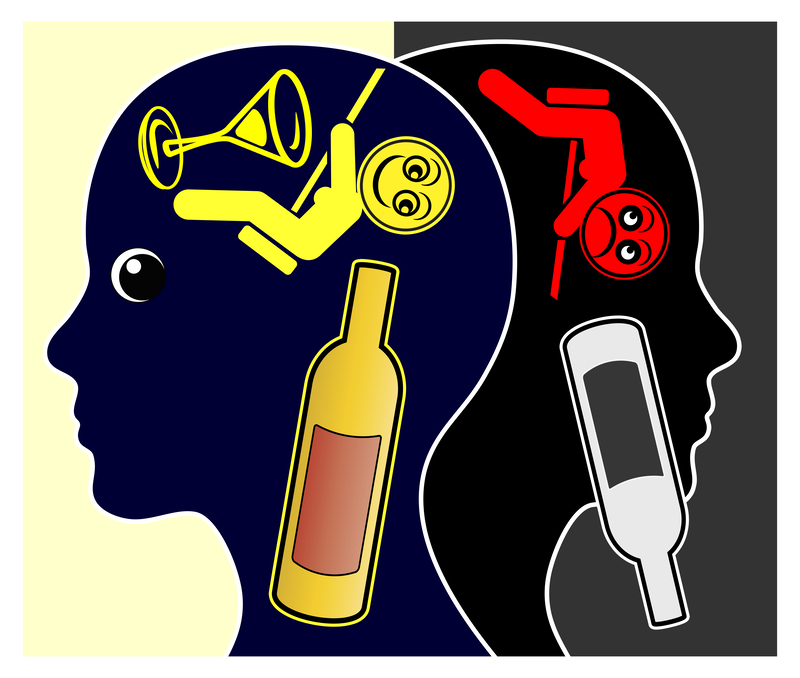
Your Mental Health May Improve
Alcohol is a depressant, profoundly altering your mood, behavior, and neuropsychological functioning. While alcohol consumption is often used as a means of relaxation, the effects of alcohol and hangovers can actually induce anxiety and increase stress. So giving up alcohol may, in fact, ease signs of depression and anxiety, as well as elevate your self-esteem — all of which also makes your job as a mom less stressful.


Your Risk of Cancer Deceases (Over Time)
There is strong scientific evidence showing that the more alcohol a person drinks, the higher his or her risk of developing an alcohol-associated cancer. Even light drinkers (those who have no more than one drink per day) have a modestly increased risk of some cancers–especially in your esophagus, liver, head and neck, breast and colon. Although stopping alcohol consumption is not associated with immediate reductions in cancer risk, the cancer risks do eventually decline over years.
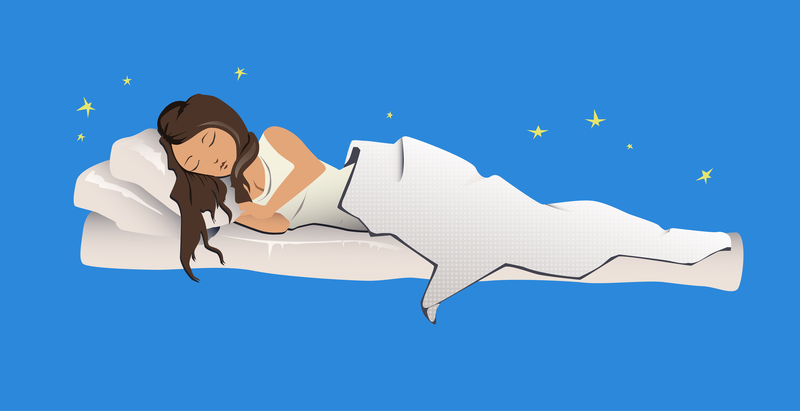

You’ll Be Better-Rested
If there’s one thing ALL moms could use more of, it’s sleep. And alcohol certainly doesn’t help with that. Although a couple glasses of wine might get you drowsy at first, once you fall into slumber, it can wake you up repeatedly in the night. Plus, it disrupts the important REM stage of sleep and may interfere with your breathing. You also may need to get up more often to pee. For more restful shut-eye, try skipping the Chardonnay.


People who engage in just one bout of binge drinking may experience a relatively quick and significant drop in their immune system function. Over time, large amounts of alcohol blunt your immune system and your body’s ability to repair itself. Ease up on drinking to keep your immune system strong and help ward off illnesses.

You Can Clear Your Brain
Alcohol dependence hinders your ability to think or remember things. Over time, heavy drinking can even hamper your perception of distances and volumes, as well as slow and impair your motor skills. It can also make it harder for you to read other people’s emotions. If you quit, however, your brain seems to be able to regain some of these abilities.

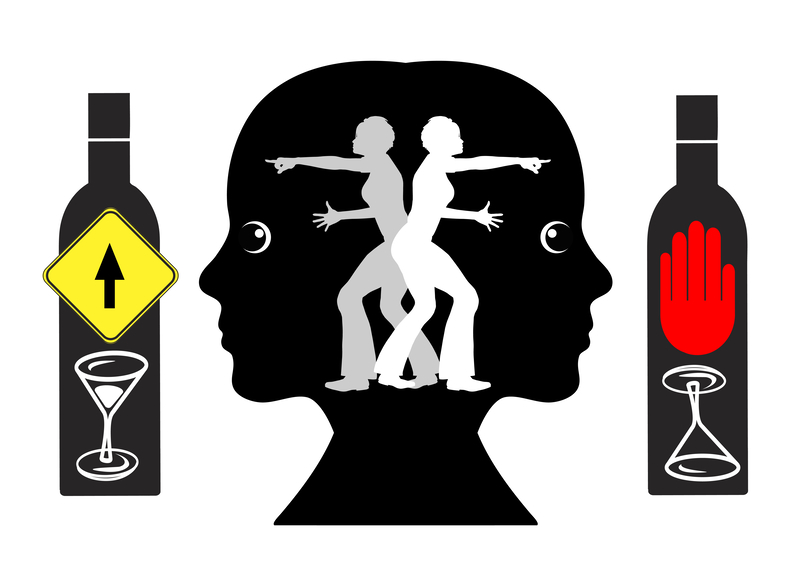
You May Go Through Withdrawal
If you’re a really heavy drinker, your body may have a strong initial reaction if you go cold turkey. You could break out in cold sweats and/or have a racing pulse, nausea, vomiting, shaky hands, and intense anxiety. Some people even have seizures or hallucinations. There is help, however: your doctor or substance abuse therapist can offer guidance and may prescribe medication such as benzodiazepines or carbamazepine to reduce the impact of withdrawal and get you through to the other side.